What is the Sedlec Ossuary?
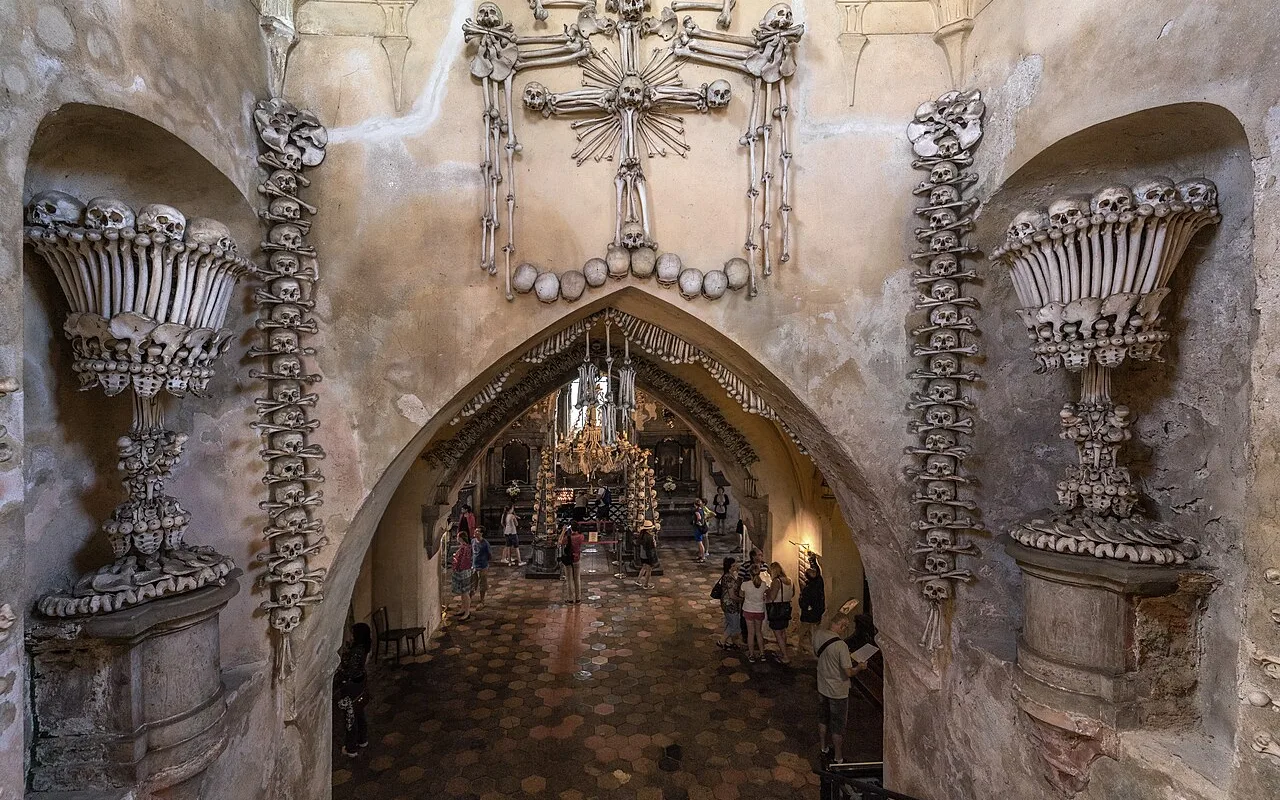
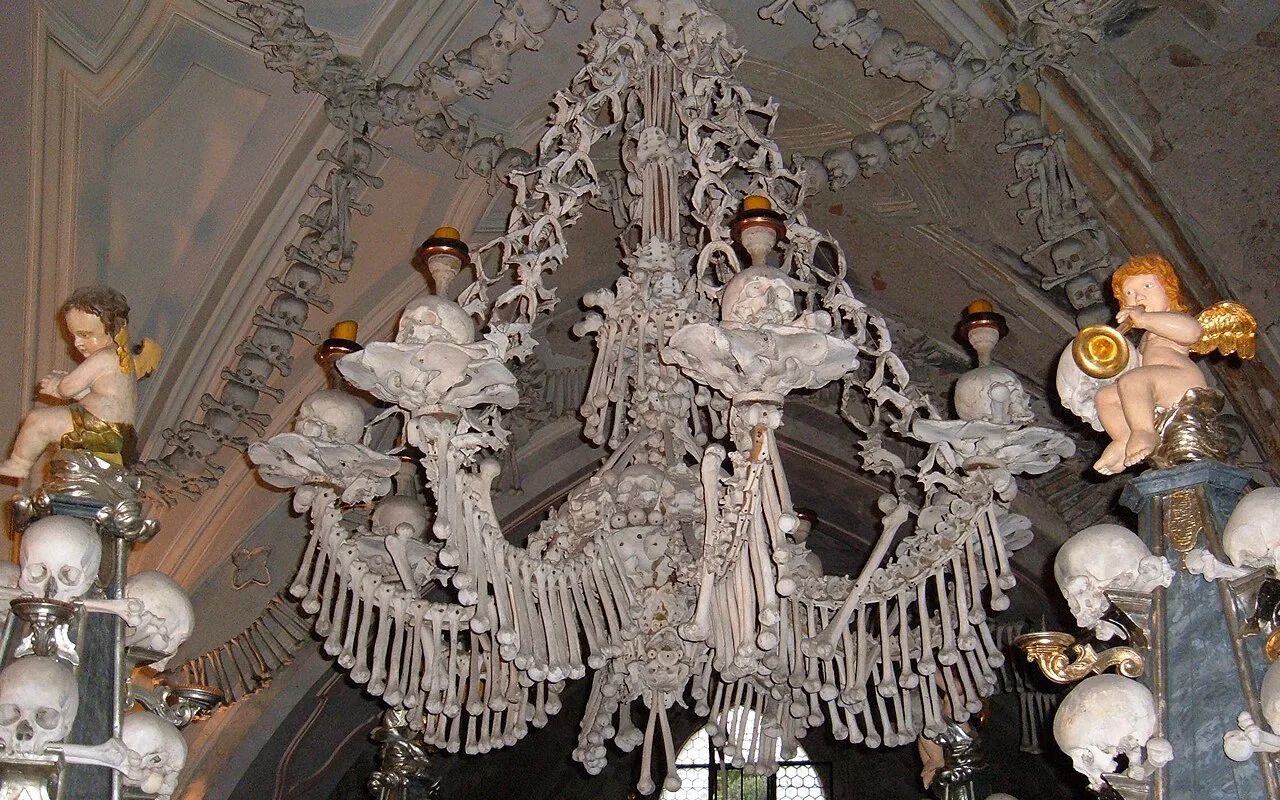
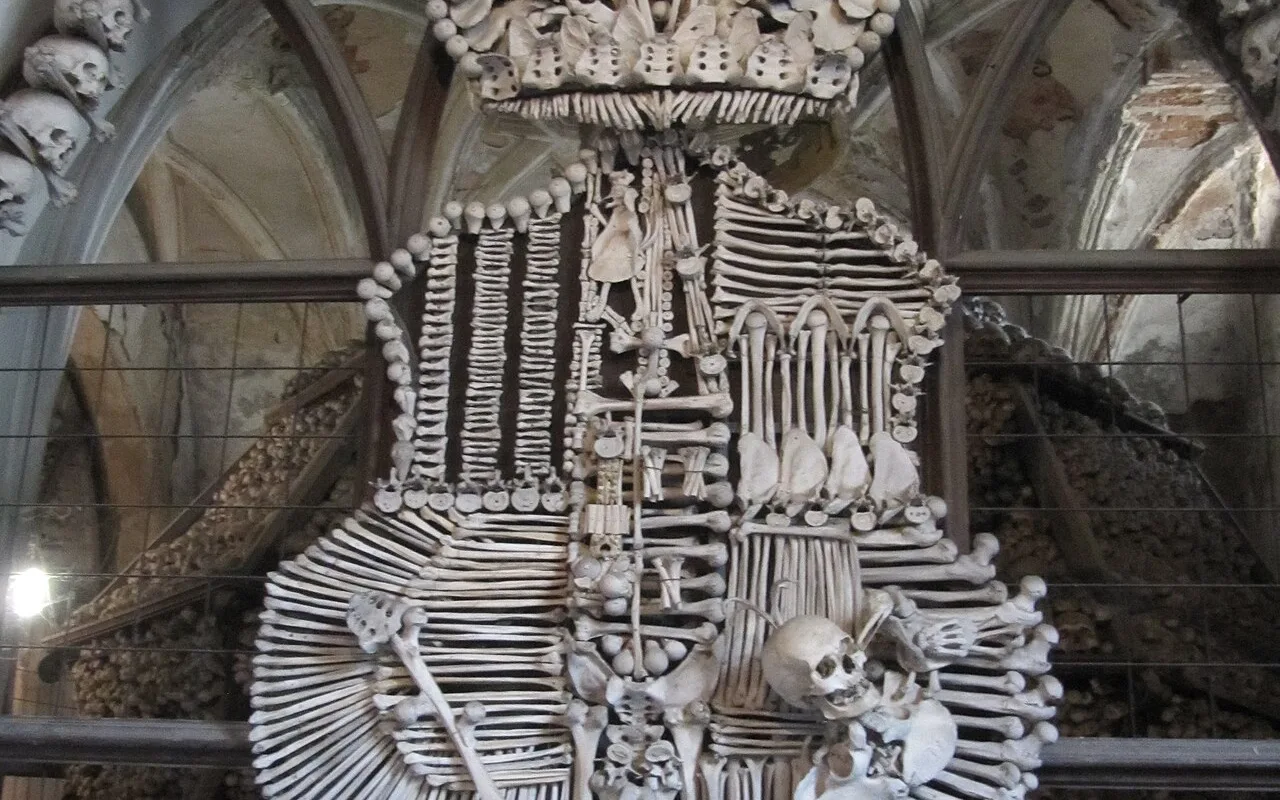
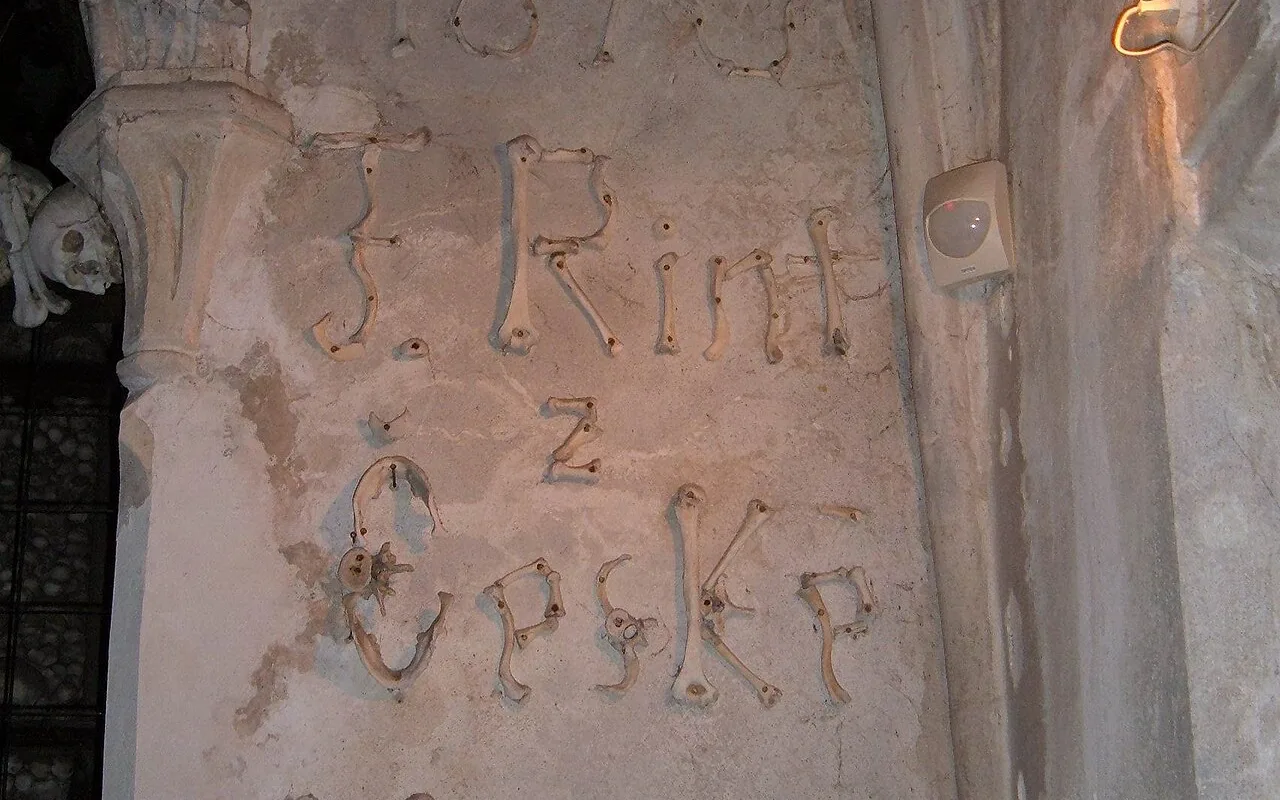
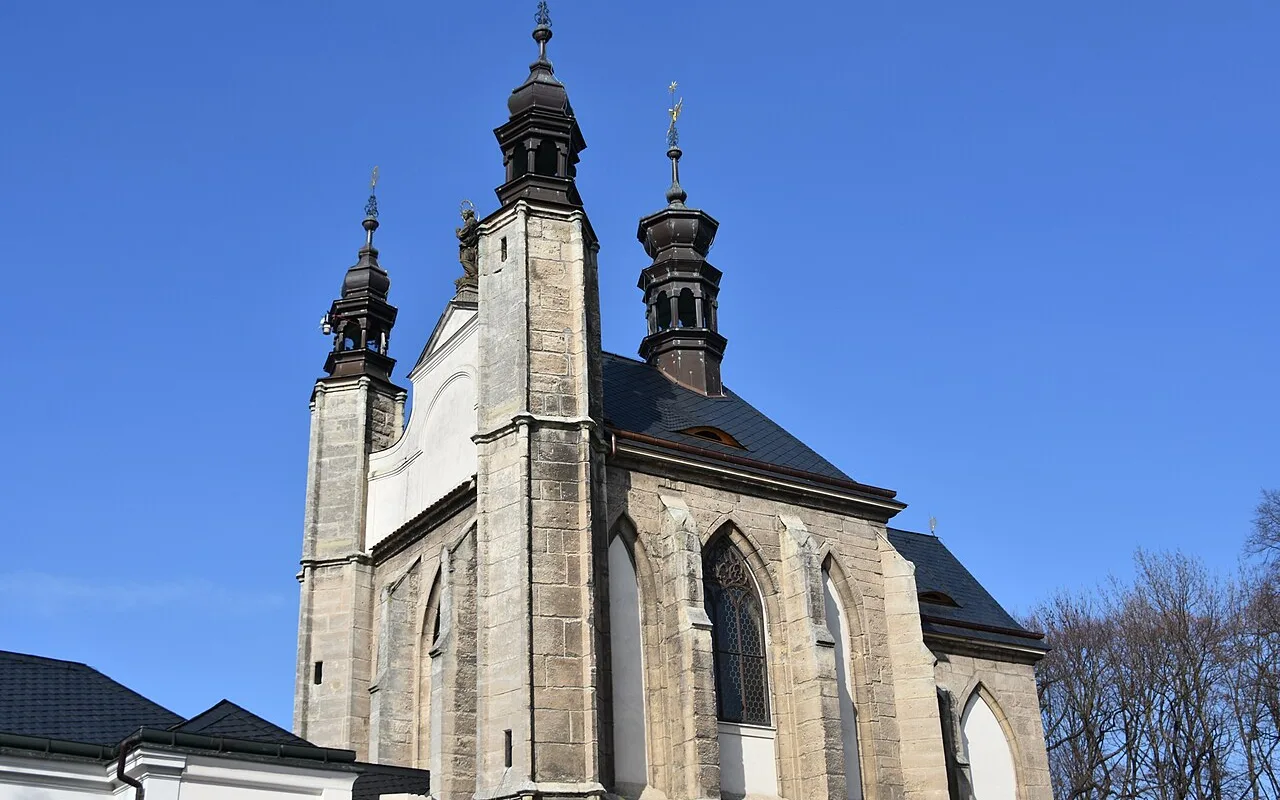
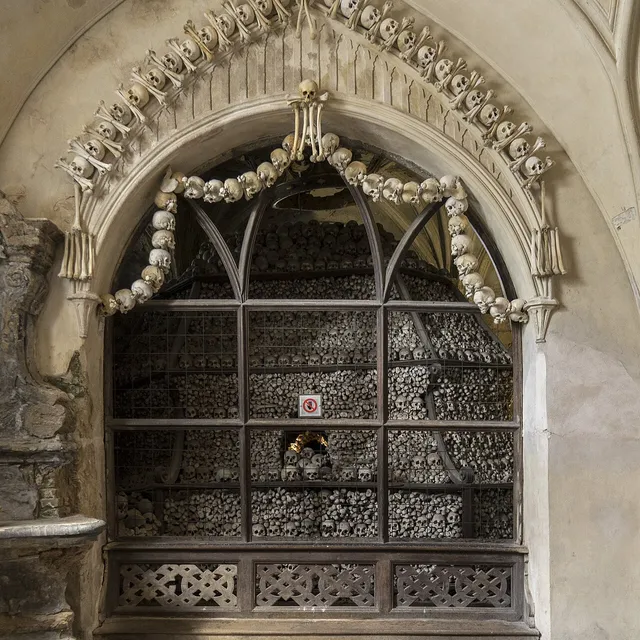
The Sedlec Ossuary — the 'Kostnice' or 'Bone Church' — is a small Roman Catholic chapel beneath the Cemetery Church of All Saints in Sedlec, a suburb of Kutná Hora about an hour east of Prague. It holds the artistically arranged bones of an estimated 40,000 to 70,000 people, including four great bone pyramids and a famous chandelier said to contain at least one of every bone in the human body, composed by the woodcarver František Rint in 1870. It is one of the most visited sights in the Czech Republic.
Do I need to book in advance?
In practice, yes. The ossuary is a small underground chapel with a capacity-limited, timed-entry system: admission is released in half-hourly windows and dated tickets sell out days ahead in summer and around Halloween. Turning up without a booking often means a long wait or no entry for the time you want. Booking ahead secures a confirmed date and entry time.
How does the timed entry work?
Tickets are for a specific date and a specific half-hourly entry window. You arrive within your window and are admitted with your group; inside, most visitors spend around 30–45 minutes. Your ticket shows the exact time, and we send plain-English joining notes so you know where to go and when to be there.
What does the ticket cover — is St Barbara's Cathedral included?
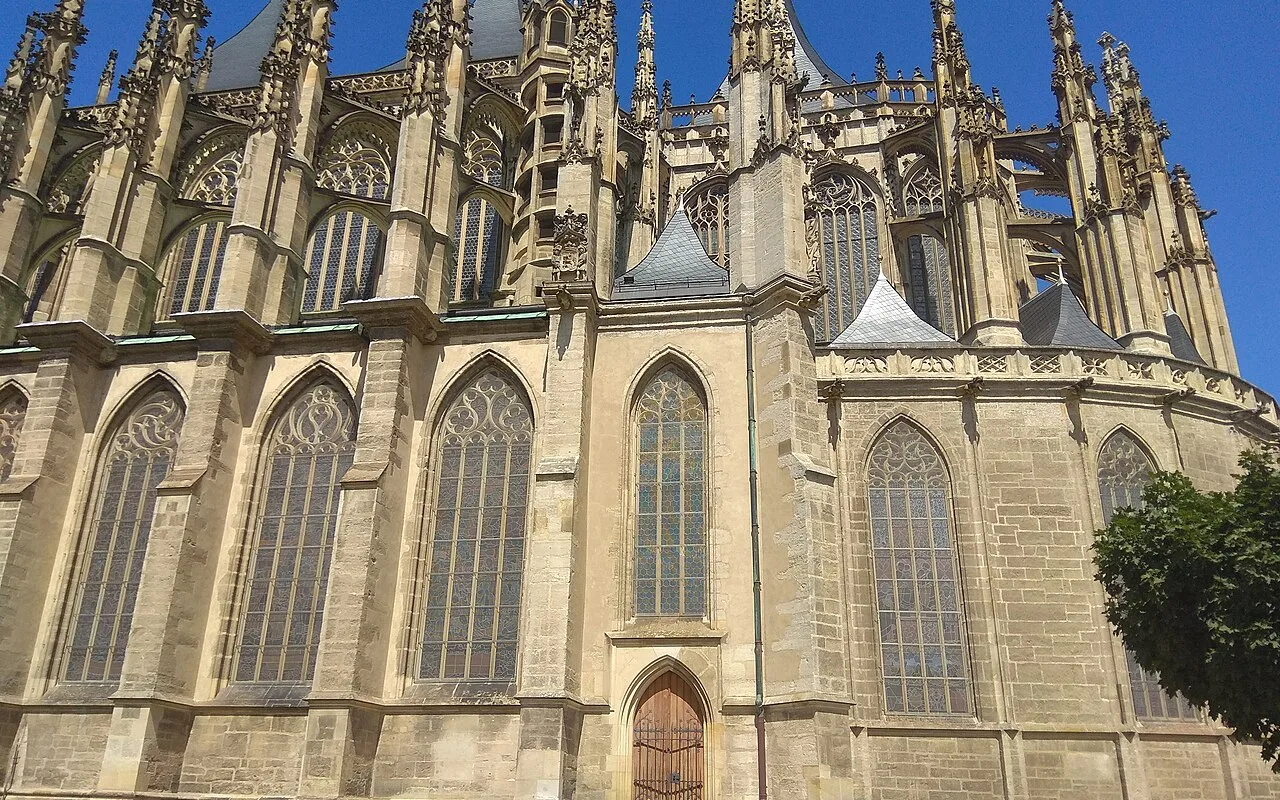
Your ticket covers the Sedlec Ossuary itself together with the adjoining Cathedral of the Assumption of Our Lady at Sedlec — both on one dated, timed-entry admission. The famous Cathedral of St Barbara, about 3 km away in the old town, is a separate attraction with its own ticket, bought at its own entrance or website; it is not part of the Sedlec ossuary ticket. If you want to see the old town too, allow time for the short hop between them and we'll give you the route.
What is the Cathedral of Our Lady at Sedlec?
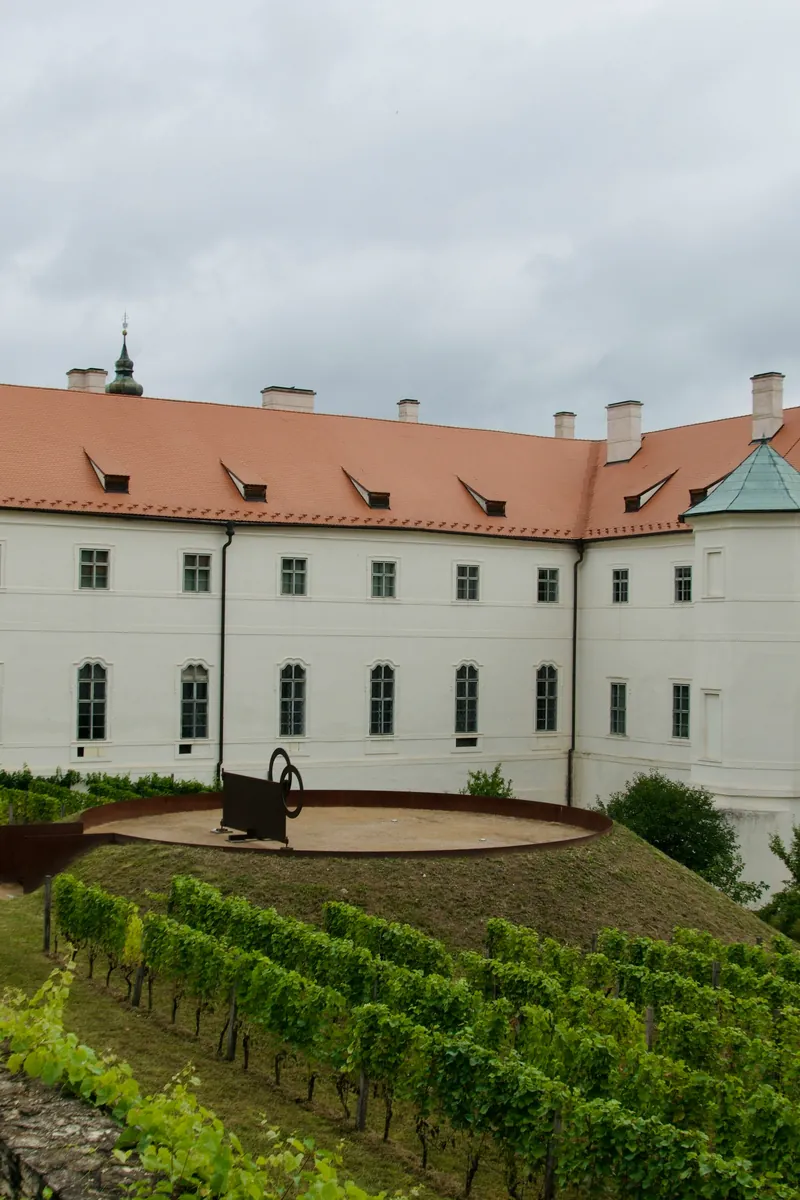
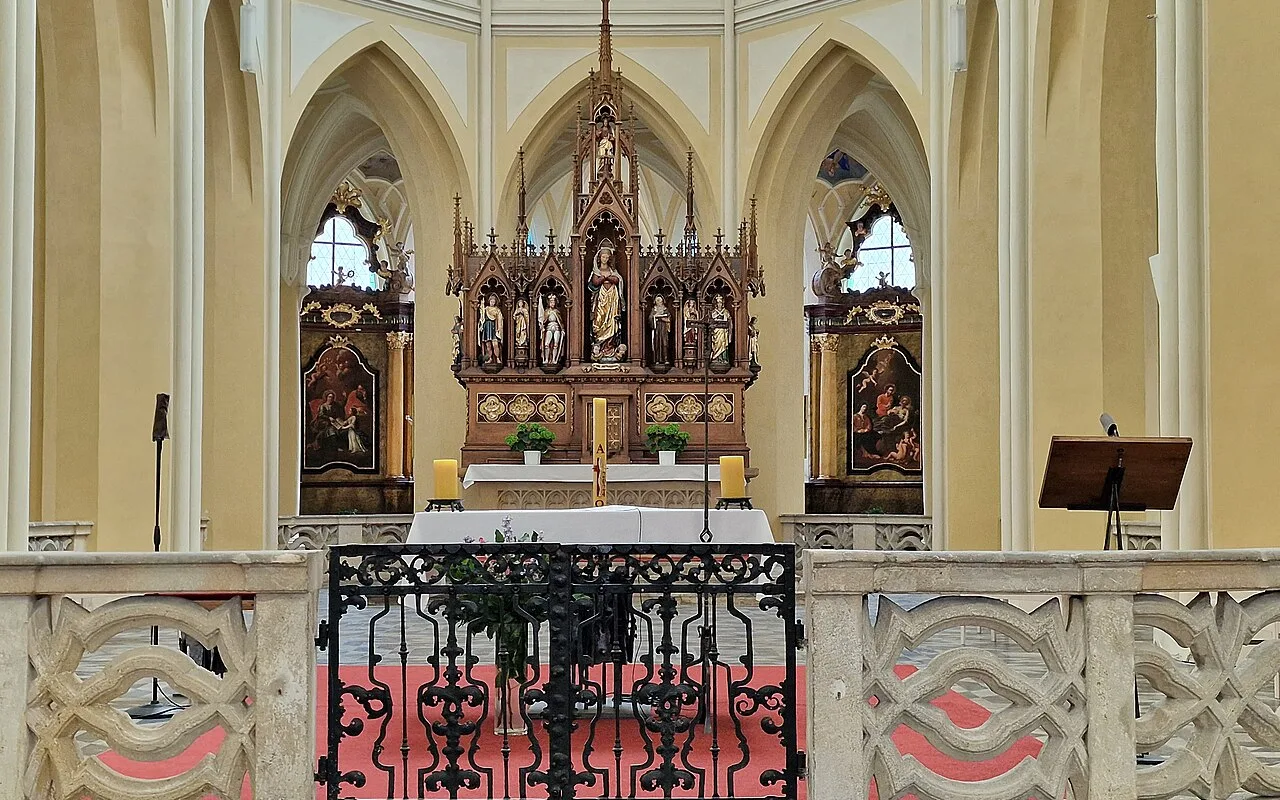
It is the Cathedral of the Assumption of Our Lady and St John the Baptist, a remarkable Baroque-Gothic church next to the ossuary, redesigned by the architect Jan Blažej Santini-Aichel in the early eighteenth century. It is a UNESCO-listed monument in its own right and is included with your ossuary admission, so it is well worth stepping inside while you are there.
Is the Sedlec Ossuary a UNESCO World Heritage Site?
Kutná Hora's historic centre, together with the Cathedral of St Barbara and the Cathedral of Our Lady at Sedlec, was inscribed on the UNESCO World Heritage List in 1995. The ossuary sits beside the Sedlec cathedral within this celebrated heritage landscape, which is part of what draws visitors from around the world.
How do I get to the ossuary from Prague?
The simplest way is the train from Prague's main station (Praha hlavní nádraží) to Kutná Hora, about an hour on direct services. Kutná Hora's main station in Sedlec is a short walk from the ossuary. To continue to St Barbara's Cathedral and the old town, a local shuttle train and buses cover the roughly 3 km. We send clear directions with your confirmation.
Where exactly is it — is it in Kutná Hora old town?
No, and this catches many visitors out. The ossuary is in Sedlec, a suburb northeast of the historic old town, next to Kutná Hora's main railway station. The famous Gothic St Barbara's Cathedral and the medieval streets are about 3 km away. If you are doing both, plan the short hop between them — our joining notes explain how.
How long should I allow for the visit?
Around 30–45 minutes inside the ossuary and the cathedral next door. Add St Barbara's Cathedral and the old town, about 3 km away on their own ticket, and Kutná Hora fills a relaxed day trip from Prague, with time for lunch and a wander through the historic streets.
How do the reduced and child tickets work?
The operator offers reduced rates for eligible visitors such as students, young people and seniors, and a lower child rate, with very young children admitted free. Choose the tier that matches each member of your party at checkout; you may be asked to show photo ID or a student card on the day. If you are unsure which rate applies, tell us and we'll confirm before we book.
Can I take photographs inside?
No — and this catches many visitors out. Since 1 January 2020 the parish has banned all photography and filming inside the ossuary chapel, to restore dignity to a consecrated place that had become a backdrop for selfies. The rule is enforced; you are asked to put cameras and phones away inside. You may photograph the exterior and the grounds freely. It is, after all, a resting place for tens of thousands of people, and is best experienced with your own eyes rather than through a screen.
Is it suitable for children?
Many families visit, and older children often find it fascinating, but it is a genuine ossuary filled with human bones and some younger or more sensitive children may find it unsettling. You know your own children best. It is quiet and dimly lit, and everyone is asked to behave respectfully as they would in a church.
Is the ossuary accessible for wheelchairs or pushchairs?
Access is limited — the chapel is a historic underground space reached by steps, and it can be tight inside. If anyone in your party has mobility needs, tell us before booking and we'll confirm the current arrangements and any alternatives so you can decide with full information.
When is the best time to visit?
The chapel looks the same in any season, so timing is mostly about crowds. Summer, weekends and the period around Halloween are busiest and sell out earliest; spring and autumn weekdays are quieter. Whatever the date, book your timed slot first and build the rest of your Kutná Hora day around it. Early or late entry windows tend to be calmest.
What happens after I book?
Once you confirm and pay, we purchase the official dated timed-entry ticket from the operator's authorised channel on your behalf and email it to you, along with plain-English joining notes: which train to take from Prague, where the ossuary is in Sedlec, and how to reach St Barbara's and the old town if you want to add them to your day. You show your ticket at the entrance.
Are you the ossuary, the church or an official partner?
Neither — we're an independent booking-assistance service for international visitors. We are not the ossuary, the Cemetery Church of All Saints or its operating parish, and we are not an official partner; we help you book and buy the official ticket in your own language.
What is your refund policy?
Timed-entry tickets are dated and time-specific, and all sales are final once booked. If the operator cancels your entry — for operational or other reasons on their side — we refund you in full. We recommend travel insurance to cover changes to your own plans.
Can I visit St Barbara's Cathedral on the same day?
Easily — many visitors do both in one day trip from Prague. We book your dated ossuary and cathedral entry in Sedlec and set the time so the day flows; St Barbara's Cathedral, about 3 km away, has its own admission bought at its entrance or website. We give you a sensible route between them so the two fit comfortably around each other.